Septic Maintenance
Prevent the emergency by finding it first.
Quality maintenance using detailed inspection techniques to lower long-term costs and prevent emergency repairs — with every visit documented for you.
Septic Maintenance
Quality maintenance using detailed inspection techniques to lower long-term costs and prevent emergency repairs — with every visit documented for you.
Aerobic systems have moving parts — aerators, control panels, sprayfields, alarms — that a scheduled inspection can catch before they turn into a weekend emergency. Here's what's on the visit sheet.
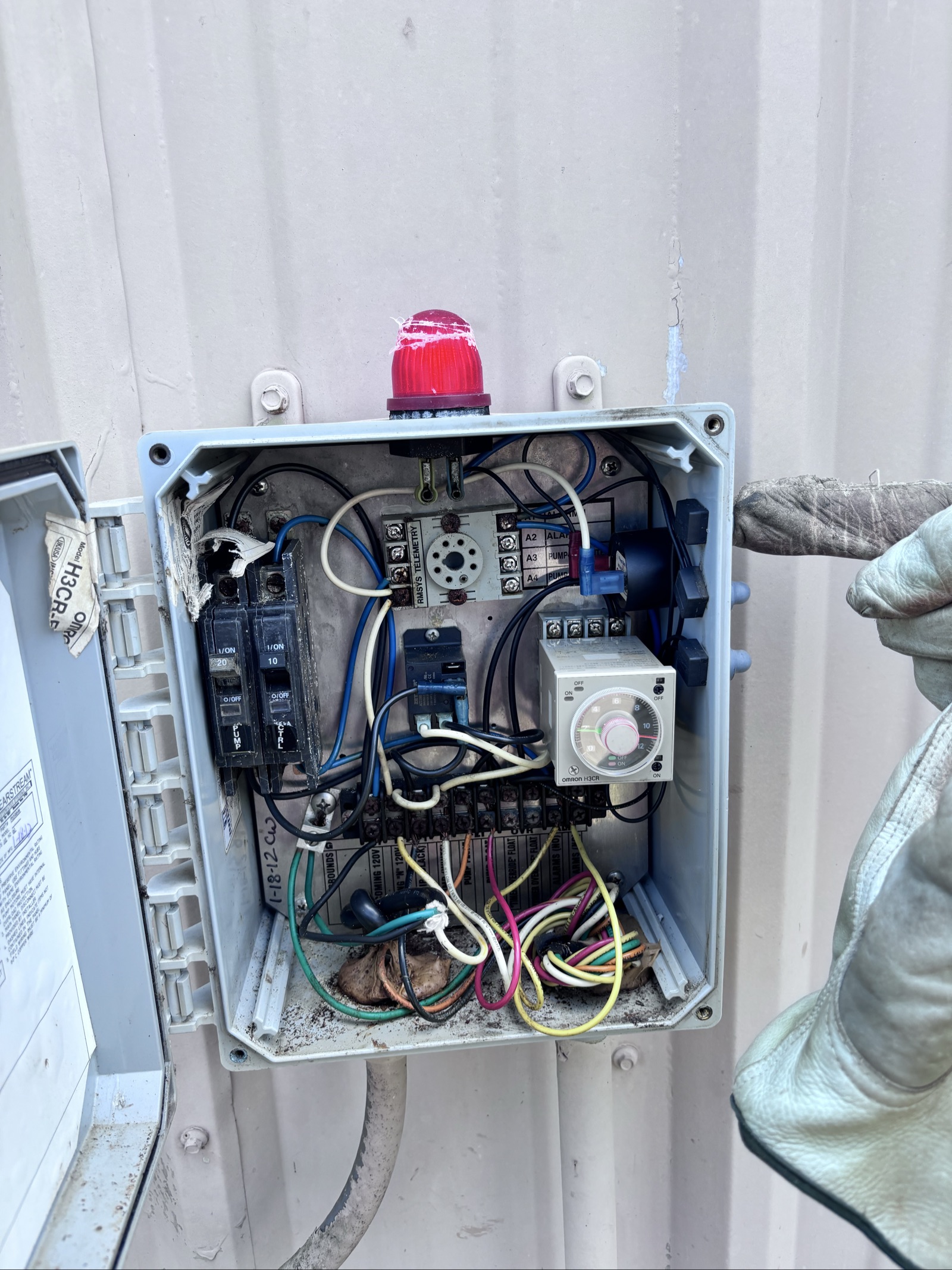
Detailed component-by-component check of aerator, panel, pump, alarms, and effluent quality — with a written record you can show a regulator.
When something's off, we identify the root cause and explain it in plain language before quoting a fix.
Small tuning adjustments over time to keep the system running as it was designed.
Documented visits kept on file to support your compliance requirements.
Septic pumping is preventive care, not a rescue mission. We schedule pumping based on your system size, household usage, and the last inspection reading — so tanks get cleaned before solids ever migrate where they shouldn't.
Extends system lifespan and keeps the aerobic treatment process working the way it was designed.
We provide detailed pre-sale inspections that document the actual condition of the system — control panel, sprayfield, tank levels, alarms, and outstanding maintenance history.
The kind of report a buyer's inspector or seller's agent will actually accept.
Standard inspection checklist
These are the checks we run on a standard scheduled inspection. Additional items may apply based on your specific system.
Aerator operation
Running, quiet, drawing correctly.
Control panel
Timer, breakers, wiring integrity.
Alarm test
Visual and audible alarm working.
Sludge & scum levels
Compared to prior visit; pump schedule updated.
Effluent quality
Color, odor, clarity assessment.
Chlorinator
Tablet supply, feed condition.
Sprayfield / drainfield
Head function, distribution, ponding.
Written report
Delivered after every visit.
Aerobic systems that discharge to the surface need continuous disinfection — running out of tablets is one of the most common compliance issues we see.
We track your usage across inspections and can bring refills on a routine visit so the chlorinator never runs dry.
Read the chlorinator guide"How often should I add chlorine tablets?"
The honest answer depends on your household size, chlorinator type, and current tablet stock. We calibrate that on your inspection.
See all FAQsDo's & Don'ts
Do
Don't
Maintenance Contracts
Enroll online. Manage everything through your account — renew, switch plans, or update payment without paperwork or a phone call.
Call to talk through your system, or enroll in an Auto-Tracts plan online.